
Interview
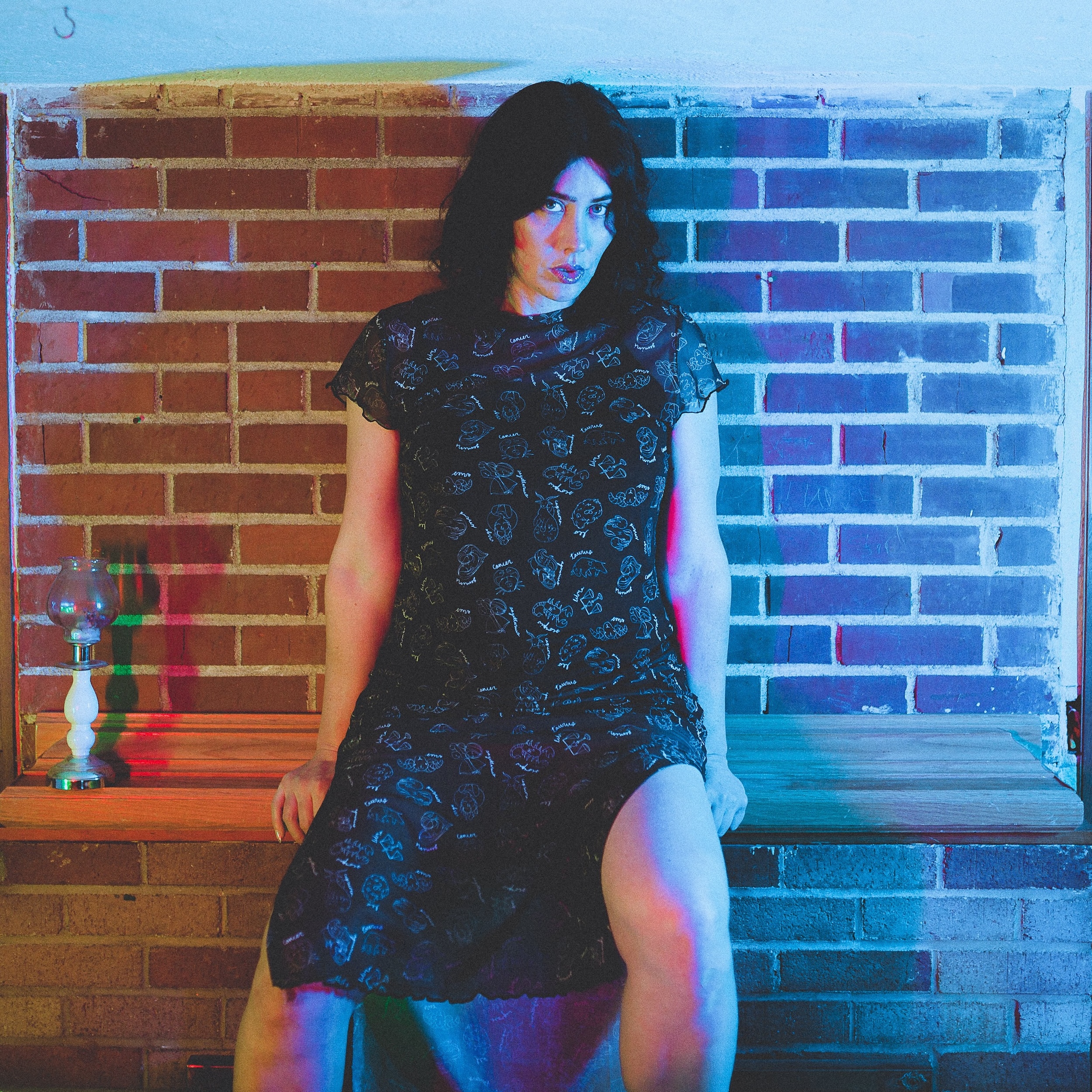
Cecilia Powers is a force to be reckoned with. A DJ, producer, and activist based in Portland, Oregon, Cecilia is committed to dance music, anti-displacement work, sonic resistance, and investigating the intersections of the three.
Musically educated by a youth spent in record stores, tuned into bombastic Atlanta radio broadcasts, and eventually nights spent in hazy London nightclubs, Cecilia’s approach is a fierce, technically informed, reckless abandon - prioritizing expression over perfection. From her riotous productions such as the Unlawful Assembly EP (Sorry Records), to her explosive sets (demonstrated here), C Powers remains armed with rebelliously weaponized frequencies.
Professionally, Cecilia has spent years on the frontlines of tenant activism. Before building this movement in Portland through her work with Don’t Evict Portland, she was co-organizing rent strikes with undocumented citizens in L.A. with the Los Angeles Tenants Union. Cecilia has remained a persistent voice in Portland for those underrepresented in the music scene as well. Through her party Trainwreck, hosted at Process in Portland, Cecilia brings these two forms of advocacy together in a display of radically subversive celebration.
How are you, Cecilia? What’s going on?
Hello. I am well. I've been travelling a lot recently to play some fun raves & clubs & events. I just played in a club on someone’s property deep in the woods on the outskirts of a small city on the outskirts of Greensboro, North Carolina. The week before that was SLIP Pride at Kremwork in Seattle. I'm currently in the air on my way back to Portland and reflecting on what it means to be having these wonderful experiences while the world slips into deep uncertainty.
I’m curious how the places you’ve lived have influenced your approach to DJing and producing?
I grew up in Atlanta listening to the radio (as people did back then!) which was (and still is) really great. It being Atlanta, we’re all definitely heavily influenced by hip hop and rap, but for me it was the djs on the soul/funk/boogie/r&b stations that captivated me the most. These djs would cram like 30 songs into these 20 minute mixes with incredible techniques (chopping, scratching, cutting, blending) blast sound effects, and always drop their own dj “tags”. It was so exciting.
Atlanta also had two record shops specifically for dance music DJ’s back then (in the 90s/early 00s). My mother would make trips down to a certain head shop that was right next to these shops. One day I got bored of the Grateful Dead memorabilia and stumbled into the shop next door called Rewind. I can still remember how shocked the shop worker was to see this 11 year old kid stumble in and ask if she could listen to some music on the “vinyl players”. That was the moment. I ended up buying some random Celeda record that I ended up not liking, but I was hooked. I began pestering my mom about going back to Little Five Points. The next time I went the guy at Rewind handed me a jungle record and I can remember being completely blown away. I don't remember what track it was because it was some white label, but I can kind of remember how it sounded and I distinctly remember the smell of Nag Champa incense burning next to me: I’ll never forget these moments.
Though I was already diving into the culture via any media I could find (back then it was mainly magazines), I would get acquainted with the history and culture of Chicago when I got there for art school. I soon met my now wife Michelle and she and I began to travel to her hometown Detroit and we would hit small raves, clubs, Movement, and other house and techno events in Chicago. We also started to expose ourselves to this culture back in Atlanta, most notably by attending House In The Park.
After graduating we moved to London. Of course I was excited to go check out some events in the birthplace of Jungle, but I also made friends who helped broaden my palate. I would play my house records faster to match up with their UKG records, and I also got to see djs like Skream play at Plastic People. Exciting times.
We then came back to America and lived in Savannah GA for 7 years where I took up the responsibility of fostering a small scene of primarily queer friends who wanted to dance. I also worked as a wedding dj in south Georgia - this I think was what actually grew my skills/chops the most possibly; it was like I had to learn how to make people dance with music I hated (and sometimes the people I played it too).
Can you tell us about your experience in tenant advocacy?
I began organizing with tenants when I moved to LA in 2018. I had only done union work prior and in Savannah at the university I worked at. I wanted to try and undue some of the potential harm I could be causing the communities of the San Fernando Valley as a white person moving in. I was hyper aware of gentrification, and of the failures of the state. Soon after joining and contacting the Los Angeles Tenants Union, I was asked to help a group of about 20 families (primarily undocumented) organize against unethical rent hikes. These tenants resisted displacement by rent striking for 6 whole months. It remains the most potent act of solidarity against austerity I have ever been a part of. It still inspires the work I do now in Portland, 8 years later. Upon moving to Portland I co-founded Don’t Evict Portland (DEPdx) with queer comrades. For the last 6 years, DEPdx has helped hundreds (possibly more) people resist housing displacement or exploitation while remaining committed to its grass roots formation. We are still member powered. We are not a non-profit despite many non-profits working with us and seeking our guidance.
What opportunities do you see for dance music scenes to advocate for their communities?
As someone who has had one foot in dance music and the other foot equally grounded in “movement building”, I have a view or perspective that forces me to be perhaps more material and less imaginative with this question than many of my peers who only DJ.
I have to admit that I struggle to take seriously the notion of using the club to build movements when we generally have people who have been building these movements for a long time. I also worry that we infantilize ourselves with this line of thinking without even realizing it.
I don't mean to dunk on this question, I think it's well intended, and I hope my perspective is not seen as pessimistic. For me, the nebulous nature and ambiguity of these questions around “dance music scenes” affecting change show me the type of internal conversations we need to have to move these questions away from being vague and produce material answers. If we are still having this conversation at this point in time, I have a hard time not feeling like it’s silly when everything outside of the “scene” space is burning down before our very eyes: is this truly the moment to be like “oh but what can we do with clubbing/raving?” Do we really need the raving/clubbing to teach us how to act? Did we (queer people) not navigate ourselves here because we already have an innate sense of finding community?
I also get very anxious thinking about how these questions are also potentially teaching folks that we can solve external problems by diving internally into something that is really just meant to provide respite from the external issues. I feel like the “scene” is a great place for us to reflect on the external issues we seek escape from. I sometimes panic thinking about how we could be conflating the lines between the escape and the material.
I also do not think there is anything wrong with dance music providing escape and that escape itself being a source of radicality for queer people. I have a deep suspicion that this movement to press some sort of external meaning into dance music by casting it as some “radical act of defiance” might mainly emanate from straight communities more than queer ones.
It’s not like I can't see the possibilities, I just see them as being very present and obvious rather than something still needing articulation. I should probably point out that back in Savannah we actually had to be prepared to protect ourselves from physical attacks if we were going to be out dancing as queer people in the open. So I have been a part of dance music “scenes” that did indeed activate themselves, but this activation isn't something I conflate with movement-building. Alas I also have made my own attempts to bridge this gap I see between the “scene”-conversation and affecting material change with my own rent-party/fundraiser series “Trainwreck” which raises money directly for tenants or tenant movement building activities. I leave this toward the end of my answer to this question just to remind folks that I am in no way a pessimist. Rather I have long recognized these issues and have a desire to keep trying despite the analysis I have presented above.
Can you share your perspective on the Portland scene? What do you think is working well, and what is something you think could use more attention?
From my years bopping around the map I notice that everyone complains about their city’s “scene” and often I hear the same complaints. Alas each city is different in certain ways and each city has unique attributes or resources that make it great. In every city existing under the toxins of late stage capitalist, there will always be work to do. Like every city, people here will feel like there are “too many cliques” and will always recognize that we have work to do.
Portland has its pros and its cons. I'm happy Portland has an outsized amount of nightlife activity for a city of its size. I'm grateful for how this state and this earth provides copious locations for outdoor events like those put on by my dear friend Mafgar that I cherish so deeply. Portland also has Barn Radio which is a blessing. All Portland ravers should cherish Barn for their hard work fostering the “scene” and we should diligently support any Black & Queer run spaces in this white dominant city.
What’s coming up next for you?
Too much. I lost my job (thanks to Elon) but the dj gigs have been flooding in like never before. I'm just trying to acclimate to the new pace, make a lot of new material, prepare for societal collapse, and my next surgery :)
Anything else on your mind lately that you’d like to share? (optional)
Well I can tell you about the mix I made for you. This mix encapsulates a sound that I have been finding myself approaching towards the end of some of my late-hour live sets: frantic, overflowing, tipsy and spilling over, music being bashed together like some big dj tornado. Like my wrists warm up and I can start lifting off a bit after an hour of mixing or so.
Yes, it's essentially a lot of house tracks being sped way the heck up, but I have taught myself how to spin these tracks at higher speeds in ways that are different from how I would spin them at regular speed. I should note that this mix is made possible by a new set of (old) turntables I acquired (Vestax pdx 2000’s) that provide pitch range comparable to contemporary CDJs. As someone who ran a facebook group dedicated to unique and forgotten dj gear, moving away from the Pioneer dominated world has again provided me space to do something unique.
This mix was recorded live with only vinyl. I made a few attempts before landing on a final performance that I edited down. So everything you hear is done “live”. I'm not trying to create a new sound, I stumbled into this Speed-Wreck zone a few times organically and with this mix I am solidifying it as something I can recall on command.
For more from C Powers, follow her here: